
In the realm of digital communication, abbreviations and acronyms have become commonplace, facilitating quick exchanges and enhancing the efficiency of conversations. One such acronym that has gained popularity, especially among younger demographics and what does smfh mean in text casual online interactions, is “GTG.” This report delves into the full form of GTG, its usage, significance, and the cultural context surrounding it in chat conversations.
GTG stands for “Got To Go.” It is predominantly used in informal chat settings, including instant messaging platforms, social media, and text messaging. The phrase conveys a sense of urgency or the need to exit a conversation, signaling to the other participants that the sender will no longer be able to continue the discussion. This abbreviation serves as a polite and concise way to inform others of one’s departure without lengthy explanations.
The usage of GTG can be traced back to the early days of instant messaging, where brevity was essential due to character limits and the fast-paced nature of online interactions. As communication has evolved, the desire for quick and efficient exchanges has led to the widespread adoption of acronyms like GTG. It is particularly prevalent among teenagers and young adults, who often engage in rapid-fire conversations and prefer shorthand expressions.
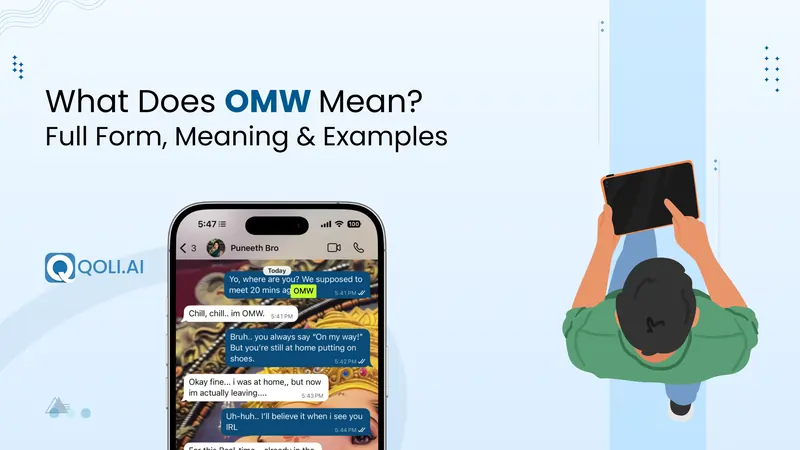
In various contexts, GTG can carry slightly different connotations. For instance, in a casual chat among friends, saying “GTG” might simply indicate that one is stepping away for a moment, perhaps to attend to a personal matter or to take a break. Conversely, in a more formal setting, such as a professional chat or virtual meeting, using GTG might suggest the end of a discussion or the necessity to conclude a meeting due to time constraints. This adaptability highlights the versatility of the acronym across different social and professional landscapes.
The significance of GTG extends beyond mere convenience; it also reflects broader trends in communication styles. The rise of digital communication has fostered a culture that values efficiency and immediacy, where lengthy explanations are often seen as unnecessary. In this context, GTG exemplifies the shift towards succinctness and the preference for quick exchanges that characterize modern interactions.
Moreover, the use of GTG can also foster a sense of camaraderie among chat participants. By employing this acronym, individuals signal their understanding of the informal nature of the conversation and the mutual recognition of each other’s time constraints. This shared language helps to strengthen social bonds and create an environment where participants feel comfortable communicating in a relaxed manner.
Despite its informal nature, it is essential to be mindful of the context in which GTG is used. In professional settings, relying too heavily on acronyms can lead to misunderstandings or be perceived as unprofessional. Therefore, while GTG is a useful tool for quick communication, users should exercise discretion and consider the appropriateness of its use based on the audience and the situation.
In conclusion, GTG, or “Got To Go,” is a widely recognized acronym in the digital communication landscape that exemplifies the trends towards brevity and efficiency. Its usage reflects the evolving nature of how people interact online, emphasizing the need for quick exchanges while also highlighting the importance of context in communication. As digital conversations continue to evolve, the role of acronyms like GTG will remain significant in shaping the way we connect and communicate with one another.