These Are Your Breasts Now — And It's Okay to Grieve the Old Ones

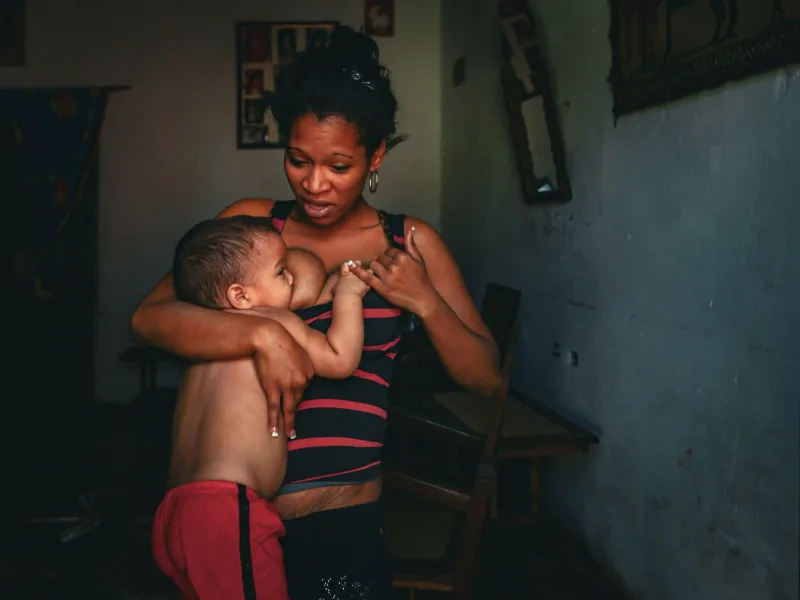
Somewhere between the first latch and the third week of nursing, a lot of mothers have a moment. Maybe you catch your reflection stepping out of the shower. Maybe you reach for a bra that no longer fits and never will again. Maybe you're in the middle of a letdown at 2 a.m. and you just — feel nothing like yourself.
That moment, that quiet reckoning, doesn't come with a pamphlet. Nobody hands it to you alongside the nipple cream and the nursing pillow. But it's real, it's common, and it deserves more than a dismissive "your body did something amazing" pep talk.
Your body did do something amazing. And also? It changed in ways you maybe weren't fully prepared for. Both things are true at the same time.
The Physical Reality Nobody Sugarcoats
Let's start with what's actually happening, because understanding the mechanics can take some of the shock out of it.
In the early days postpartum, your milk coming in can feel less like a miracle and more like a medical emergency. Engorgement — that tight, rock-hard, sometimes feverishly warm swelling — can be genuinely traumatic if you weren't warned it might happen. Some mothers describe their breasts as unrecognizable, almost foreign objects attached to their chest. That's not dramatic. That's a physiological response to a massive hormonal shift and a body suddenly producing fluid around the clock.
Beyond engorgement, there's the texture and appearance changes that accumulate over weeks and months. Stretch marks. Veins that become more visible as blood flow increases. Nipples that darken or change shape. Breasts that swell during a feed and deflate after in a way that feels strange and unfamiliar. For some women, nursing eventually leads to significant changes in breast shape or size that persist even after weaning — something that's rarely discussed openly before you're already in it.
And then there's sensation. Breastfeeding can alter how your breasts feel — to you and to touch. Some mothers experience heightened sensitivity that makes even a gentle brush of fabric uncomfortable. Others notice a kind of numbness or detachment, a sense that their chest has been rewired for function at the expense of everything else. Neither experience is wrong. Both can be disorienting.
The Identity Piece Nobody Talks About Enough
Here's where it gets more complicated, and more personal.
For many women, breasts are deeply tied to identity — to femininity, to sexuality, to how they've inhabited their bodies for years or decades. When those same body parts suddenly shift into a primary role as a feeding source, it can create a kind of cognitive and emotional whiplash that's hard to articulate without feeling like you sound ungrateful.
You're not ungrateful. You're human.
The grief that can come with losing your pre-pregnancy body — or more specifically, your pre-pregnancy relationship with your body — is legitimate. Grief doesn't require a tragedy. It just requires a loss, and something real has changed. The way you experienced your body before is different now, and it may never go back to exactly what it was. Sitting with that, naming it, is not weakness. It's honesty.
This is especially complicated for mothers who struggled with body image before pregnancy, or who have a history of disordered eating or body dysmorphia. The postpartum period can intensify those existing feelings in ways that deserve real support, not just reassurance that "it'll bounce back."
When Touch Becomes Complicated
A lot of nursing mothers experience some version of touch fatigue — the sense that their body has been needed, handled, and accessed so constantly that any additional physical contact feels like too much. Your partner reaches for you and something inside you recoils, not out of a lack of love, but out of sheer depletion.
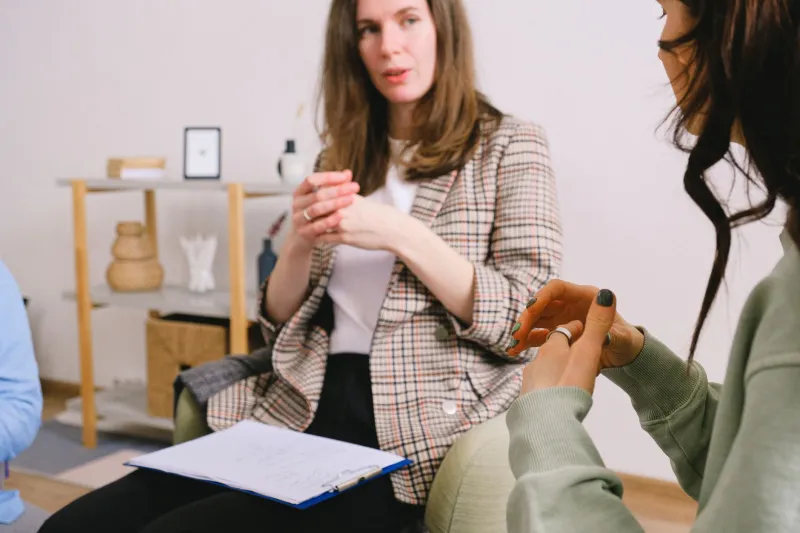
This can create real strain, and real guilt on top of that strain. You might feel like you're failing at being a partner while you're succeeding at keeping a tiny human alive. That tension is exhausting, and it's worth naming out loud — ideally to your partner, and maybe to a therapist or counselor if you have access to one.
Your body is doing an enormous job. It's allowed to have limits. And those limits don't say anything about who you are as a partner or a person.
Reclaiming Some Version of Yourself
Reclaiming your body during breastfeeding isn't about pretending the changes aren't real. It's about finding small, genuine ways to feel like a person who lives inside her own skin — not just a vessel for someone else's nutrition.
A few things that actually help:
Wear what makes you feel like you. This sounds minor, but it matters. Nursing bras and tanks come in a range of styles now. You don't have to live in beige cotton if that's not you. Find something that fits your current body and feels like a choice, not a compromise.
Set physical boundaries where you can. If you're touched out, say so. To your partner, to your toddler if you have one, to your well-meaning relatives who want to hold the baby and somehow end up touching you in the process. Boundaries around your body aren't selfish — they're sustainable.
Let yourself be curious instead of critical. Instead of looking at your body with judgment, try approaching it with something closer to curiosity. What is it doing? How has it adapted? This isn't toxic positivity — it's a gentler lens than the one most of us default to.
Talk to someone who gets it. Whether that's a lactation consultant, a postpartum therapist, or a community of other nursing moms, being seen in this specific experience matters. You don't have to perform gratitude to deserve support.
You're Allowed to Feel All of It
This is the part that matters most: you are allowed to feel proud of what your body is doing and sad about what it's cost you. You are allowed to love your baby fiercely and still miss the version of yourself that existed before. You are allowed to breastfeed because you want to, and also wish some days that it felt different than it does.
Your breasts are yours. They're also doing something remarkable right now. Those two truths don't cancel each other out — they just coexist, a little messily, the way most real things do.
However you're feeling about your body today, it's a valid place to start.