Does Eating Oatmeal Really Make More Milk? We Looked at the Science So You Don't Have To
Walk into any Target in America right now and you'll find an entire shelf dedicated to lactation products. Cookies, teas, tinctures, capsules, powders — all of them promising to boost your supply, often with a price tag that makes your eyes water. If you've been nursing for more than five minutes and felt even a flicker of doubt about your supply, you've probably been tempted by at least one of them.
We get it. When you're worried your baby isn't getting enough, you will literally eat anything someone tells you might help.
But here's the thing: the science on galactagogues — that's the fancy word for substances believed to support or increase milk production — is way thinner than the marketing suggests. Let's actually look at what the evidence says, what's probably a waste of money, and why supply issues are almost never solved by what's on your plate.
First, What Even Is a Galactagogue?
A galactagogue (pronounced gah-LAK-tuh-gog, if you want to impress your pediatrician) is any food, herb, or drug thought to initiate or increase milk supply. They've been used across cultures for centuries — long before anyone was selling them in pretty packaging on Etsy.
The category includes everyday foods like oatmeal and brewer's yeast, herbal supplements like fenugreek and blessed thistle, and prescription medications like domperidone and metoclopramide. We're mostly going to focus on the over-the-counter stuff here, because that's what most of us are reaching for first.
The Oatmeal Question
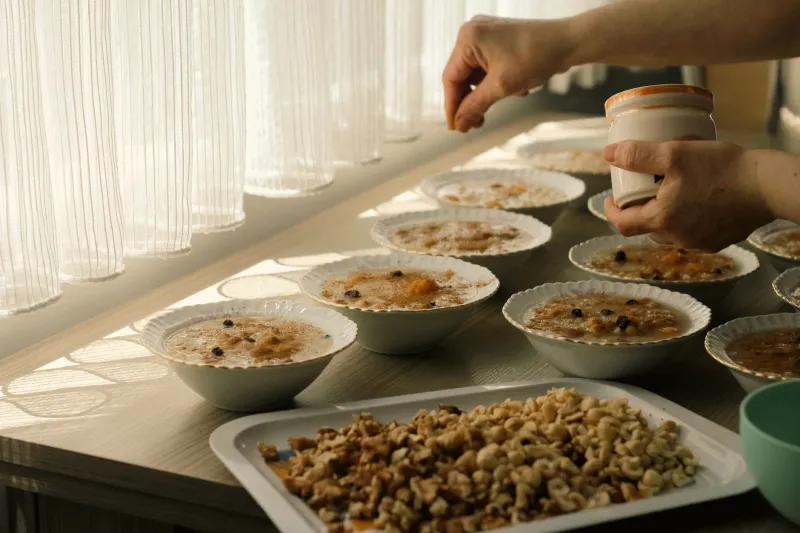
Oatmeal is probably the most commonly cited "milk food" out there, and it's been passed down through generations of nursing mothers like gospel. The theory is that oats are rich in iron, and low iron levels can be associated with reduced supply in some women.
Is there hard clinical evidence that a bowl of oatmeal will measurably increase your output? Not exactly. There are no large, well-designed randomized controlled trials proving that oatmeal boosts milk production. What we do know is that oats are nutritious, affordable, easy to digest, and genuinely comforting — especially postpartum when you're running on fumes.
If eating oatmeal for breakfast helps you feel nourished and cared for, that's not nothing. Stress is a real supply disruptor. But don't expect your pump output to jump 2 ounces just because you switched to overnight oats.
Brewer's Yeast: Legitimate or Lore?
Brewer's yeast shows up in almost every lactation cookie recipe on the internet. It's a source of B vitamins, protein, chromium, and selenium — all genuinely good stuff. Some mothers swear by it.
The honest answer is that the evidence is mostly anecdotal. There's no strong clinical research specifically linking brewer's yeast to increased milk volume. That said, if you're nutritionally depleted postpartum (which many of us are), getting more B vitamins in your diet isn't going to hurt anything. Just don't expect miracles from a cookie, no matter how lovingly it's made.
Fenugreek: The Complicated One
Fenugreek is probably the most widely used herbal galactagogue in the US, and it's also the most controversial. Some studies have shown a modest increase in milk supply with fenugreek use. Others have shown no effect. A few have actually shown decreased supply in some women.
Side effects are real and worth knowing about: fenugreek can cause GI distress in both mother and baby, and it should be avoided by women with diabetes or thyroid conditions since it can affect blood sugar. It also smells like maple syrup, which is either delightful or alarming depending on your perspective.
The Academy of Breastfeeding Medicine's clinical protocol on galactagogues notes that the evidence for fenugreek is "weak and conflicting" — which is about as diplomatic as a medical body gets when it's trying to say the data isn't there yet.
Bottom line: if you want to try it, talk to your lactation consultant or OB first. And don't expect it to be a magic fix.
Blessed Thistle and Other Herbal Combinations
Blessed thistle is often paired with fenugreek in commercial supplements, and it shows up in a lot of lactation tea blends. The research here is even thinner than with fenugreek — mostly traditional use and anecdotal reports, with very little clinical evidence to support it.
Other commonly marketed herbs include milk thistle, fennel, and goat's rue. The evidence base for all of them is limited. That doesn't mean they're harmful (though some herbal supplements can interact with medications, so always check), but it does mean you're largely paying for hope.
What the Research Actually Supports
Here's the uncomfortable truth: the most evidence-based "galactagogues" aren't products you can buy in a store. They're behaviors.
Frequent, effective milk removal is the single most powerful driver of milk supply. Nursing or pumping often — and making sure your baby or pump is actually transferring milk efficiently — does more for your output than any supplement ever will. Supply is built on demand.
Skin-to-skin contact stimulates prolactin and oxytocin, both of which are directly involved in milk production and letdown. More snuggles, genuinely, can mean more milk.
Adequate hydration and caloric intake matter. Not because specific foods are magic, but because your body needs fuel to make milk. Chronically undereating or dehydration can affect supply. Eating a balanced diet — including things like oats and whole grains if you enjoy them — supports overall health, which supports lactation.
Addressing the root cause of supply concerns is where real help lives. Low supply often has an underlying reason: latch issues, infrequent feeding, hormonal factors, insufficient glandular tissue, or a history of breast surgery. A certified lactation consultant (IBCLC) can help identify what's actually going on — and no supplement can substitute for that.
So Should You Buy the Lactation Cookies?
If they bring you joy and you can afford them, sure. There's genuine comfort in rituals, and postpartum life is hard enough without depriving yourself of something that feels like self-care.
But if you're spending real money on expensive supplements because you're genuinely worried about your supply, please redirect that energy (and budget) toward a consultation with a qualified lactation professional. That investment will almost certainly do more for your nursing relationship than anything sold in a pretty tin.
Your body isn't a machine that just needs the right fuel additive. It's doing something remarkable, and it usually needs support — not supplements.