Fed Is a Choice, Not a Compromise: Why You Owe Nobody a Breastfeeding Explanation

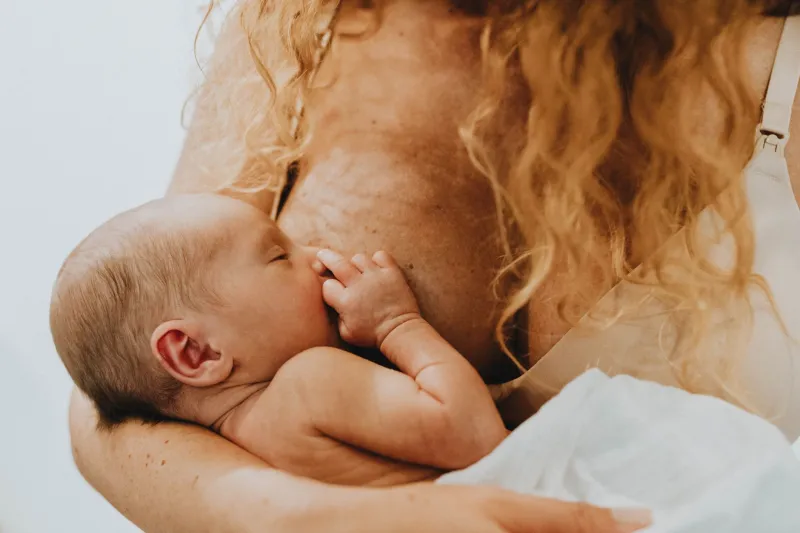
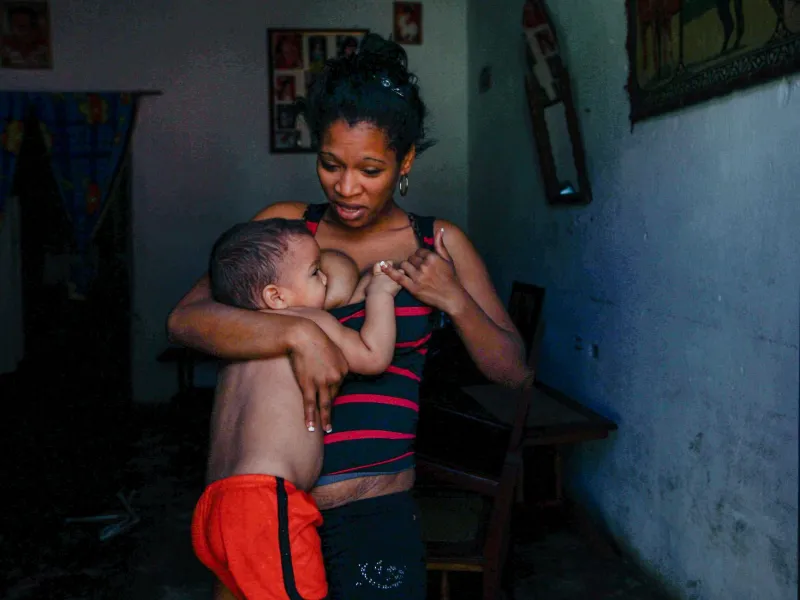
Let's just say it plainly: somewhere along the way, breastfeeding stopped being a feeding method and became a moral statement. And if you've ever felt the quiet sting of someone's raised eyebrow when you pulled out a bottle, or spiraled into a 2 a.m. guilt session because nursing just isn't working for you, you already know exactly what that means.
This is an opinion piece. It's also a permission slip — though you shouldn't need one.
The Invisible Pressure Nobody Names Out Loud
The messaging around breastfeeding in the United States is relentless. From the moment you announce a pregnancy, the cultural machinery kicks in: Are you planning to breastfeed? It's asked with a particular kind of hopefulness, the kind that doesn't leave a lot of room for the answer "no" or "I'm not sure" or "honestly, I haven't decided yet."
Public health campaigns, well-meaning family members, parenting forums, even some hospital staff — they all carry a version of the same underlying message: breast is best, and choosing anything else is settling. The intention behind that message may be rooted in genuine care for infant health. But the delivery? It has a way of turning a feeding decision into a character assessment.
What gets lost in that framing is the enormous, complicated reality of new motherhood. Bodies that don't produce enough milk. Latch issues that make every feeding session feel like a small emergency. Medications that aren't compatible with nursing. Mental health needs that require treatment. Jobs that don't offer real pumping accommodations, no matter what the law technically says. Histories of trauma. Simple, valid personal preference. None of these are failures. All of them are real.
When "Best" Becomes a Weapon
The phrase "breast is best" was never designed to shame anyone. But language doesn't always behave the way it was intended. When you attach the word "best" to one feeding method, you implicitly attach "lesser" to everything else. And mothers — who are already swimming in postpartum hormones, sleep deprivation, and an overwhelming sense of responsibility — absorb that comparison deeply.
Guilt is a funny thing. It rarely shows up as a clear, rational thought. It sneaks in sideways. It's the hesitation before you mention formula at a playgroup. It's the defensive explanation you rehearse before your baby's checkup. It's the way you qualify your feeding choice to strangers who didn't even ask. It's exhausting, and it's also completely understandable given the environment most American mothers are navigating.
Here's the thing though: guilt, in this context, is not a signal that you did something wrong. It's a signal that you've absorbed a narrative that wasn't built with your actual life in mind.
Breastfeeding Is Not a Measure of Love
This one needs to be said clearly, because the implication floats around constantly even when nobody says it directly: a mother who breastfeeds is not more devoted, more sacrificial, or more bonded with her baby than a mother who doesn't. Full stop.
Bonding is built through eye contact, skin-to-skin, responsiveness, presence. It happens during bottle feeds too. Formula-fed babies are held, sung to, rocked, and deeply loved. Exclusively pumped breast milk delivered in a bottle represents hours of exhausting, unglamorous labor that most people never see. And a mother who stops breastfeeding because it was destroying her mental health is not giving up — she's making a calculated, loving decision about what her family actually needs.
The idea that breastfeeding is inherently the more loving choice flattens the complexity of real family life into a bumper sticker. Real love looks like a lot of things. A bottle can absolutely be one of them.
You Don't Have to Justify Your Body or Your Boundaries
Here's something the breastfeeding discourse rarely makes space for: some mothers simply don't want to breastfeed. Not because of supply issues or latch problems or logistical barriers. Just because it's not what they want for their body or their experience of early motherhood. And that is an entirely valid reason.
Your body is not a public resource. Your comfort, your autonomy, and your sense of self matter. Choosing not to breastfeed because nursing feels deeply uncomfortable to you — physically, emotionally, or otherwise — is not selfishness. It's self-awareness. And it's allowed.
We don't typically demand that people justify other deeply personal medical and bodily decisions to the satisfaction of strangers or extended family. Feeding your baby shouldn't be the exception to that rule.
What "Support" Should Actually Look Like
Genuine breastfeeding support — the kind that actually helps mothers — looks nothing like pressure. It looks like accessible lactation consultants who meet you where you are. It looks like honest conversations about how hard the first few weeks can be. It looks like information offered without judgment, and alternatives presented without condescension.
It does not look like making a mother feel like a lesser parent for choosing formula. It does not look like minimizing the real physical and emotional cost of nursing when it's not going well. And it definitely doesn't look like treating a feeding method as a referendum on someone's commitment to their child.
At Nurture Nest, we believe in supporting the full range of feeding journeys — because that's what actually serving mothers looks like. Some of those journeys include breastfeeding for years. Some include a few weeks of nursing before transitioning to formula. Some begin with formula from day one. All of them deserve respect.
The Only Opinion That Matters Here
You are going to get opinions. From your mother-in-law. From the Facebook group you joined at 3 a.m. From the pediatrician who phrases things in ways that sting a little. From strangers who somehow feel entitled to a seat at the table of your most personal decisions.
Here's what you're allowed to do with all of that: let it go.
You know your body. You know your mental health. You know your support system, your work situation, your history, and your capacity. You know your baby. No one else has access to all of those variables, and no one else gets to weigh in on the final answer.
Fed is not a compromise. It's not the consolation prize for mothers who "couldn't" breastfeed. It's the goal — a nourished, growing baby and a mother who is present and okay. However you get there is your business, and it's enough.
You don't owe anyone an explanation. You never did.