Stopping Breastfeeding: How to Tell the Difference Between Ready and Pressured
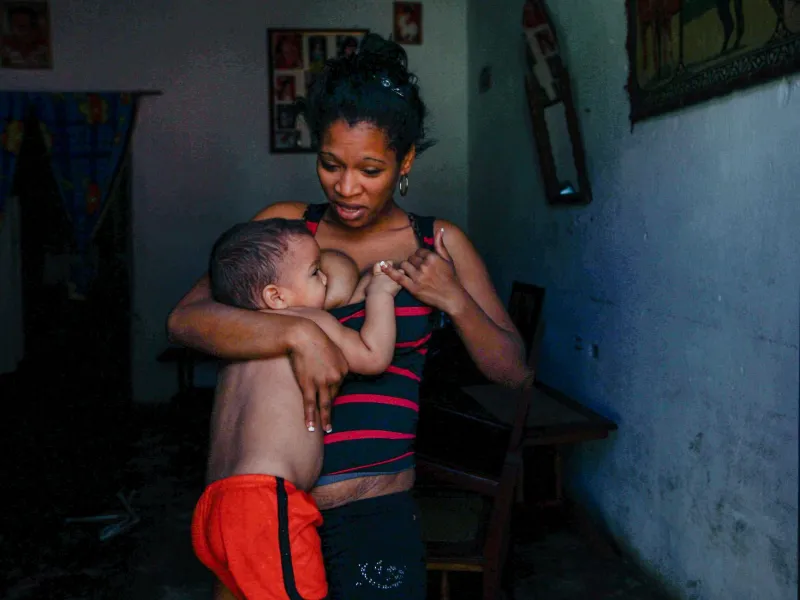
Somewhere between the first latch and the last nursing session, almost every breastfeeding mother will start wondering: Is it time to stop? Maybe you're exhausted. Maybe someone at Thanksgiving made a comment. Maybe your baby just turned one and you feel like you're supposed to be wrapping things up. Maybe you genuinely don't know what you want.
Weaning is complicated in a way that doesn't get talked about honestly very often. There's pressure from every direction — pediatricians, in-laws, Instagram, your own internal monologue — and very little space to just sit with the question without someone handing you an answer.
So let's try to create that space here.
There Is No Expiration Date on Breastfeeding
Let's get this out of the way first: the American Academy of Pediatrics recommends breastfeeding for at least the first year, and continuing as long as both mother and baby want to after that. The World Health Organization recommends up to two years or beyond. Neither organization sets a maximum.
That means if you're still nursing a 14-month-old, a 22-month-old, or a 3-year-old, you are not doing anything wrong. Extended breastfeeding is practiced all over the world and has real nutritional and immunological benefits that don't just switch off at the first birthday. The idea that nursing a toddler is strange or indulgent is a cultural one — specifically a pretty American one — and it's worth knowing that before you let it make decisions for you.
On the flip side, stopping at six months or eight months or whenever is also not a failure. Weaning timelines vary enormously, and the right one for your family doesn't have to match anyone else's.
What Genuine Readiness Actually Looks Like
There's a difference between being done and being worn down. Genuine readiness to wean tends to come with a certain kind of clarity — a feeling that the nursing relationship has run its course for you, your baby, or both.
Some signs that you might genuinely be ready:
- You feel consistently resentful or touched-out during nursing sessions, and that feeling doesn't improve with rest or support. This is different from a hard week — it's a persistent, low-grade dread that shows up every time your baby signals hunger.
- Your baby is showing less interest on their own. Some babies self-wean naturally, especially as solid foods become more established. If your toddler is nursing once a day and seems pretty take-it-or-leave-it about the whole thing, that's information worth paying attention to.
- You've thought it through when you're not in a hard moment. Decisions made in the middle of a painful nursing session or a 3 a.m. wakeup are worth revisiting when you're rested. If the feeling sticks, that tells you something.
- You feel ready for your body to be your own again. Wanting bodily autonomy back is a legitimate reason to wean. You don't need a medical justification.
What External Pressure Looks Like (And Why It's So Hard to Recognize)
External pressure is sneaky because it doesn't always announce itself. It can disguise itself as your own thoughts.
You might be responding to outside pressure if:
- Someone made a comment and now you can't stop thinking about it. A pediatrician who raised an eyebrow, a mother-in-law who said something at dinner, a friend who weaned at nine months and keeps mentioning it. These voices get loud.
- You feel like you should be done by now, but you can't quite articulate why. "Should" is almost always borrowed from somewhere else.
- You're dreading weaning more than you're looking forward to it. If the idea of your last nursing session makes you sad rather than relieved, your body might be telling you it's not actually time.
- You're approaching a milestone and treating it like a deadline. Birthdays, going back to work, a vacation — these can feel like natural stopping points, but they're not requirements.
None of this means you have to keep nursing if you don't want to. But it's worth separating your reasons from the reasons that got handed to you.
The Guilt Is Real, and It Goes Both Ways
Here's something nobody prepares you for: there's guilt no matter what you decide.
If you wean, you might feel guilty about stopping. If you keep going, you might feel guilty about not stopping. If you're not sure, you'll probably feel guilty about being unsure.
Motherhood in the US is set up in a way that makes guilt almost unavoidable around feeding choices. Formula moms feel judged. Extended breastfeeding moms feel judged. Moms who wean at a year feel like they gave up. Moms who wean at three feel like they've crossed some invisible line.
The guilt is not a signal that you're doing something wrong. It's a signal that you care deeply about your baby and that you've been absorbing a lot of conflicting messages about what good mothering looks like. That's worth acknowledging — and then setting down.
If You Decide to Wean, How You Do It Matters
Gradual weaning is generally gentler on both of you — emotionally and physically. Dropping one feeding at a time, starting with the sessions your baby seems least attached to, gives your body time to adjust and reduces the risk of engorgement and mastitis.
For toddlers especially, weaning can bring up big feelings. Having a plan for how you'll comfort and connect during that transition helps. Some families use a weaning timeline the child can understand ("we'll nurse until your birthday, and then we'll find a new way to cuddle"). Others just gradually reduce sessions without making it a big announcement. There's no single right approach.
If you're weaning for medical reasons, or faster than you'd like due to circumstances outside your control, that grief is real. Losing a nursing relationship before you're ready is a loss, and it deserves to be treated as one.
A Note on Baby-Led Weaning (The Nursing Kind)
This isn't about starting solids — it's about letting your baby set the pace for ending breastfeeding. Some babies self-wean between 12 and 18 months as their interest in solid food grows. Others nurse happily well into toddlerhood and beyond.
If your baby is self-weaning and you're feeling unexpectedly sad about it, that's normal. The end of a nursing relationship can bring up grief even when it's the baby's choice. Give yourself permission to feel that without rushing to get over it.
The Bottom Line
There is no universal right time to stop breastfeeding. There's the right time for you — which might be six months or six years, and which only you and your baby can really determine together.
What matters most is that the decision comes from an honest place. Not from a comment someone made, not from a milestone on the calendar, not from pressure you've been quietly absorbing for months. From you, with as much clarity as you can gather.
And if you're not sure yet? That's okay too. You don't have to know today.